What actually makes a home feel custom — and why the details you can’t see matter as much as the ones you can.
Walk into a truly custom home and you feel it before you can name it. The light falls differently. The proportions feel right. Doors close with a solid, quiet weight instead of a hollow rattle. None of that happens by accident — it’s the result of hundreds of deliberate decisions that a production builder simply doesn’t make.
At Prasada, we build luxury custom homes in Oakville and across the GTA, and clients often ask us the same question: what’s the real difference between a custom build and a builder-grade house that looks fine in the listing photos? Here are five details that tell the whole story.
-
Ceiling Height and Proportion
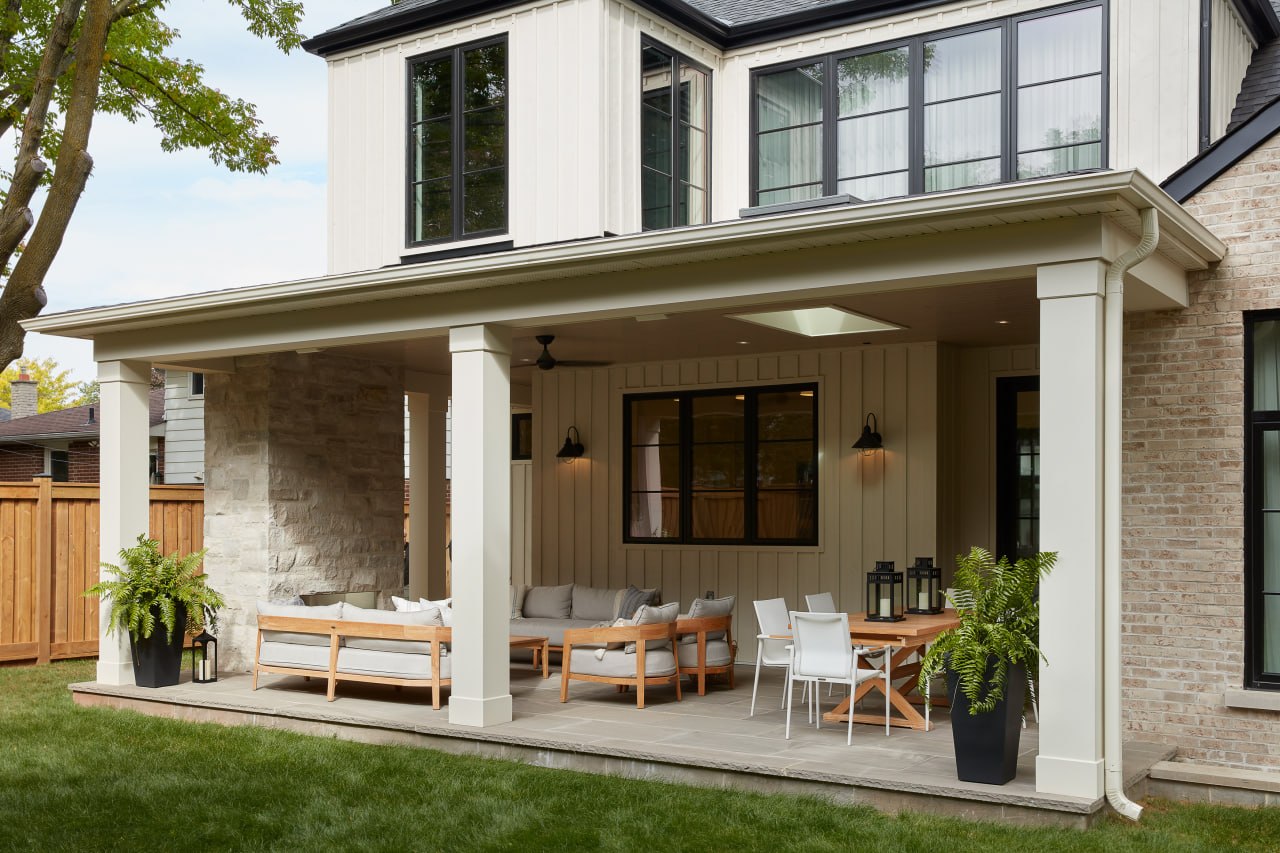
Builder-grade homes default to a standard 8- or 9-foot ceiling on every floor because it’s cheaper to frame and easier to standardize. A custom home treats ceiling height as a design tool. We vary it room to room — a soaring 10- or 12-foot great room, a coffered dining ceiling, a lower, more intimate ceiling in a den or wine room — so each space feels tuned to how you’ll actually use it.
Proportion is the quiet luxury most people never notice consciously but always feel. Window placement, door heights (we routinely spec 8-foot interior doors), and the relationship between rooms are all drawn to a human scale rather than to a spec sheet.
-
Custom Millwork and Cabinetry
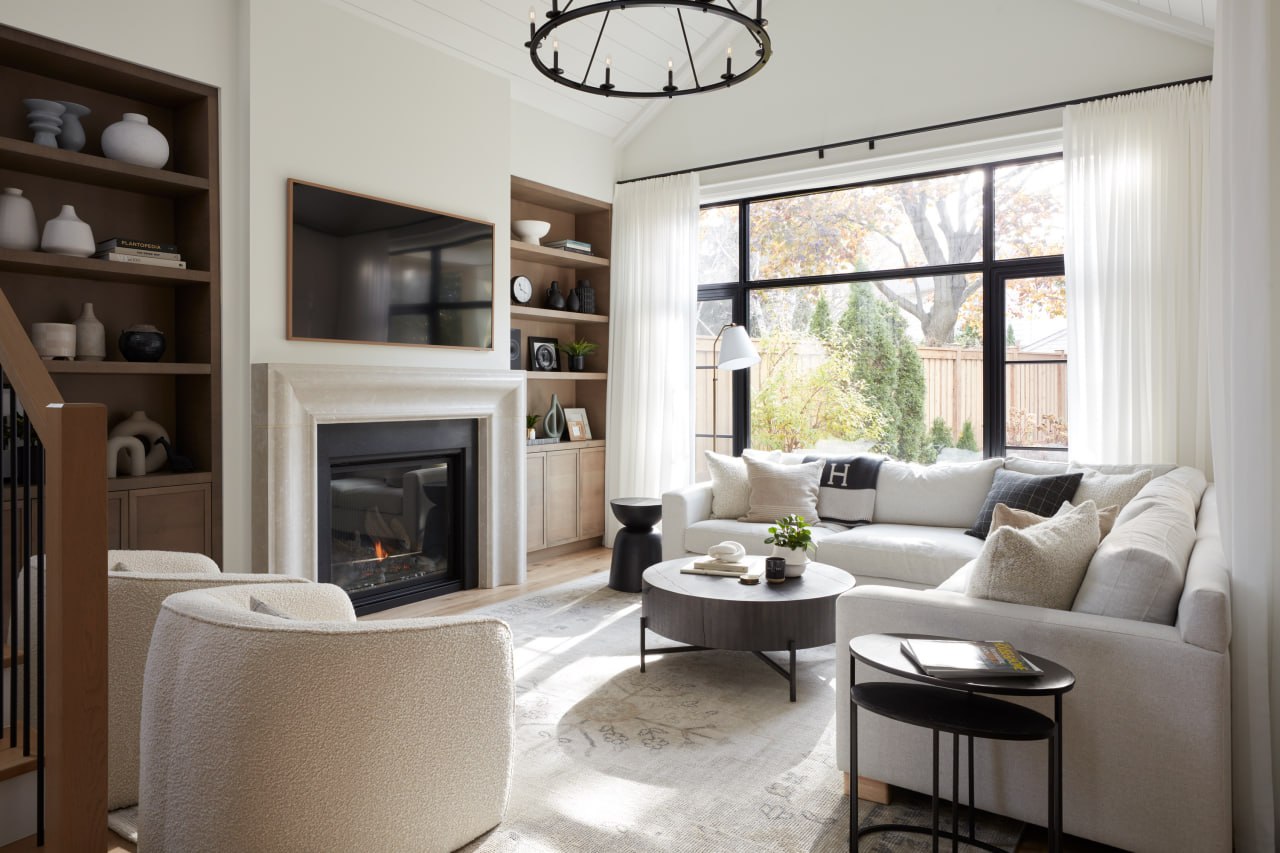
This is where builder-grade and custom part ways most visibly. Production homes use stock cabinets and off-the-shelf trim in standard sizes, with filler panels hiding the gaps. In a Prasada home, millwork is built for the room it lives in — floor-to-ceiling cabinetry with no wasted space above, integrated panel-ready appliances, custom range hoods, coffered ceilings, wainscoting, and built-ins designed around your life, not a catalogue.
The tell is in the joinery: tight, consistent reveals, solid-wood doors and drawers, soft-close hardware throughout, and finishes that wrap seamlessly from one surface to the next.
-
Material Selection and Transitions
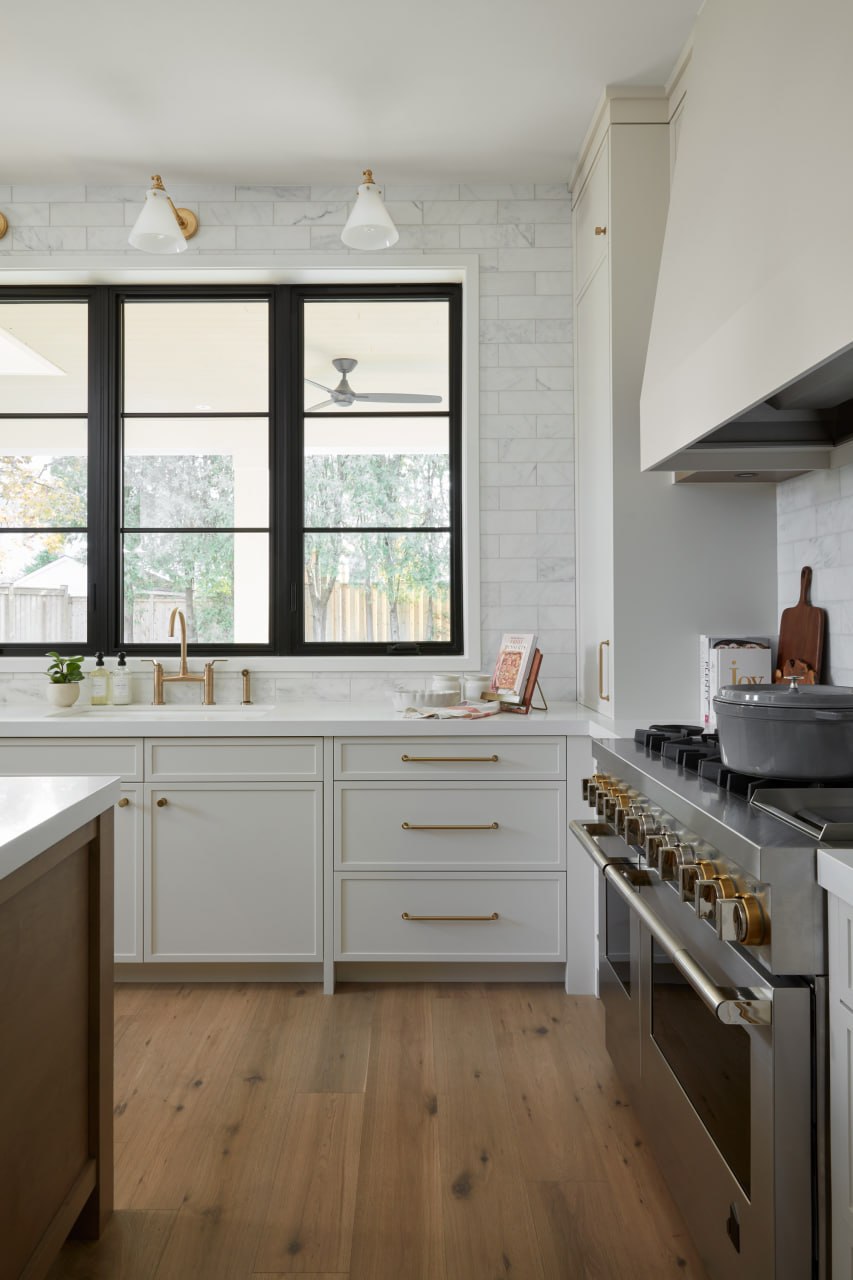
A builder-grade house is built to a price point, so materials are chosen for cost and availability. A custom home is built to a standard, so materials are chosen for how they look, feel, and age — natural stone counters and slabs, solid hardwood, real tile set with precision, and hardware you notice every time you touch it.
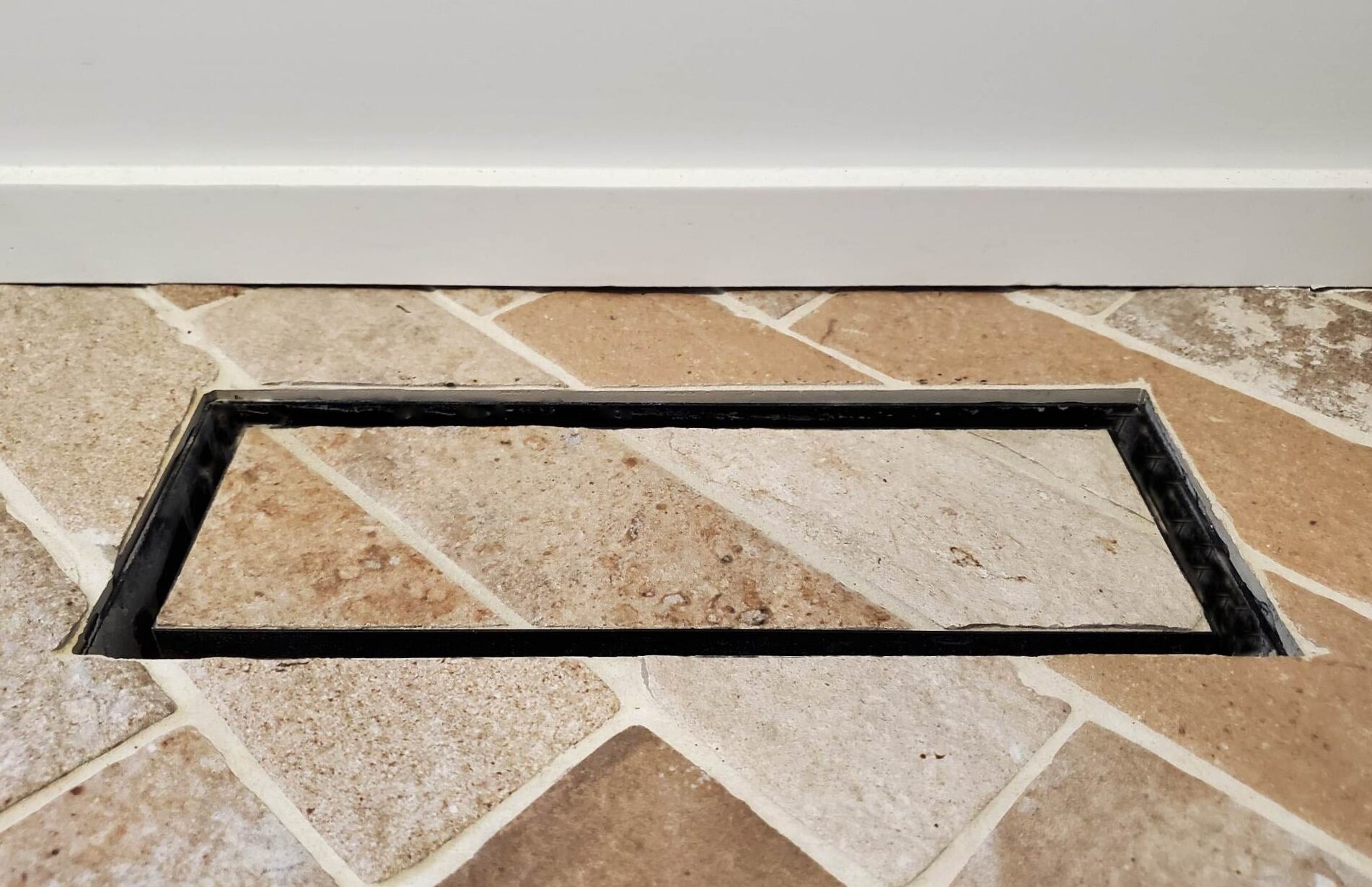
Just as important is how those materials meet. The transitions — where hardwood meets tile, where counter meets backsplash, where a stair tread meets the wall — are where craftsmanship shows. In a custom home those seams are planned in the drawings, not solved on-site with a strip of moulding.
-
Lighting Design (Not Just Light Fixtures)
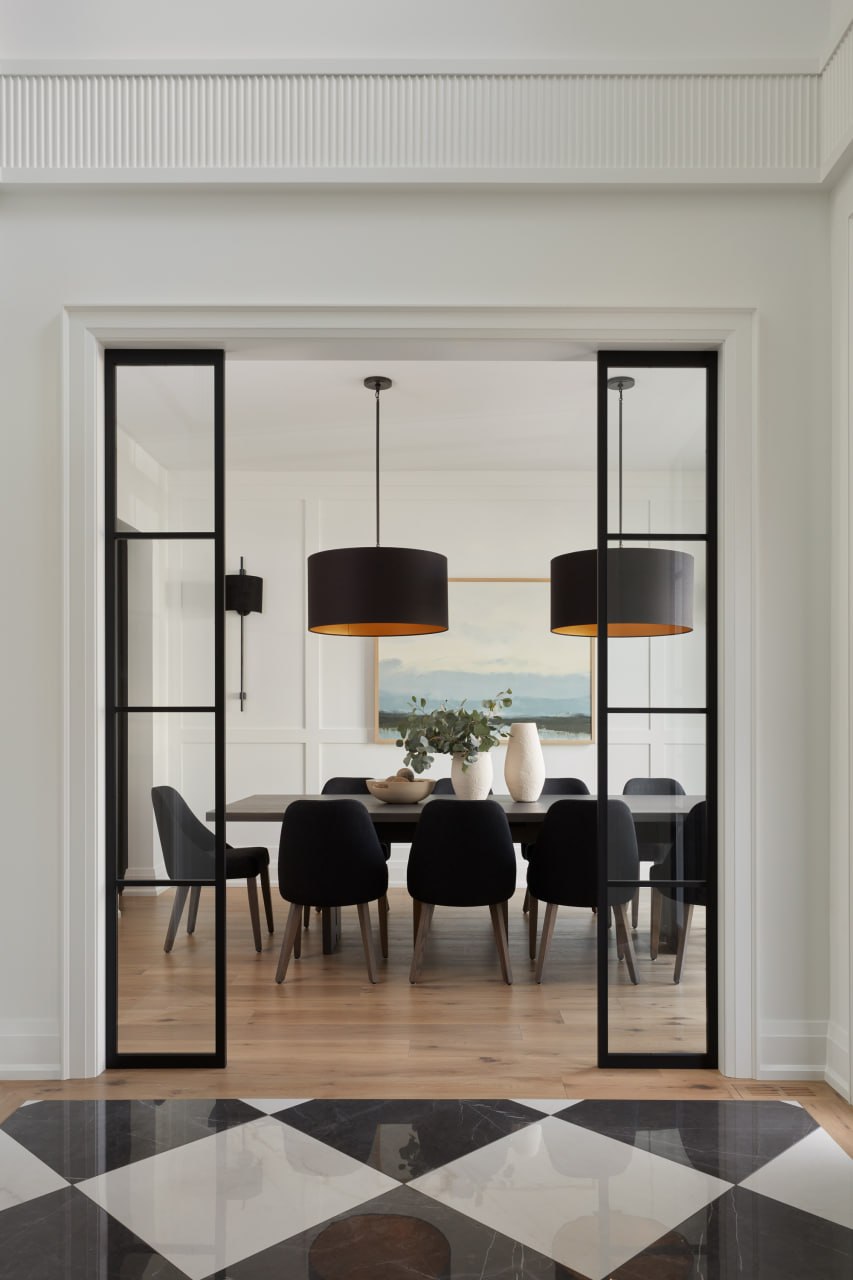
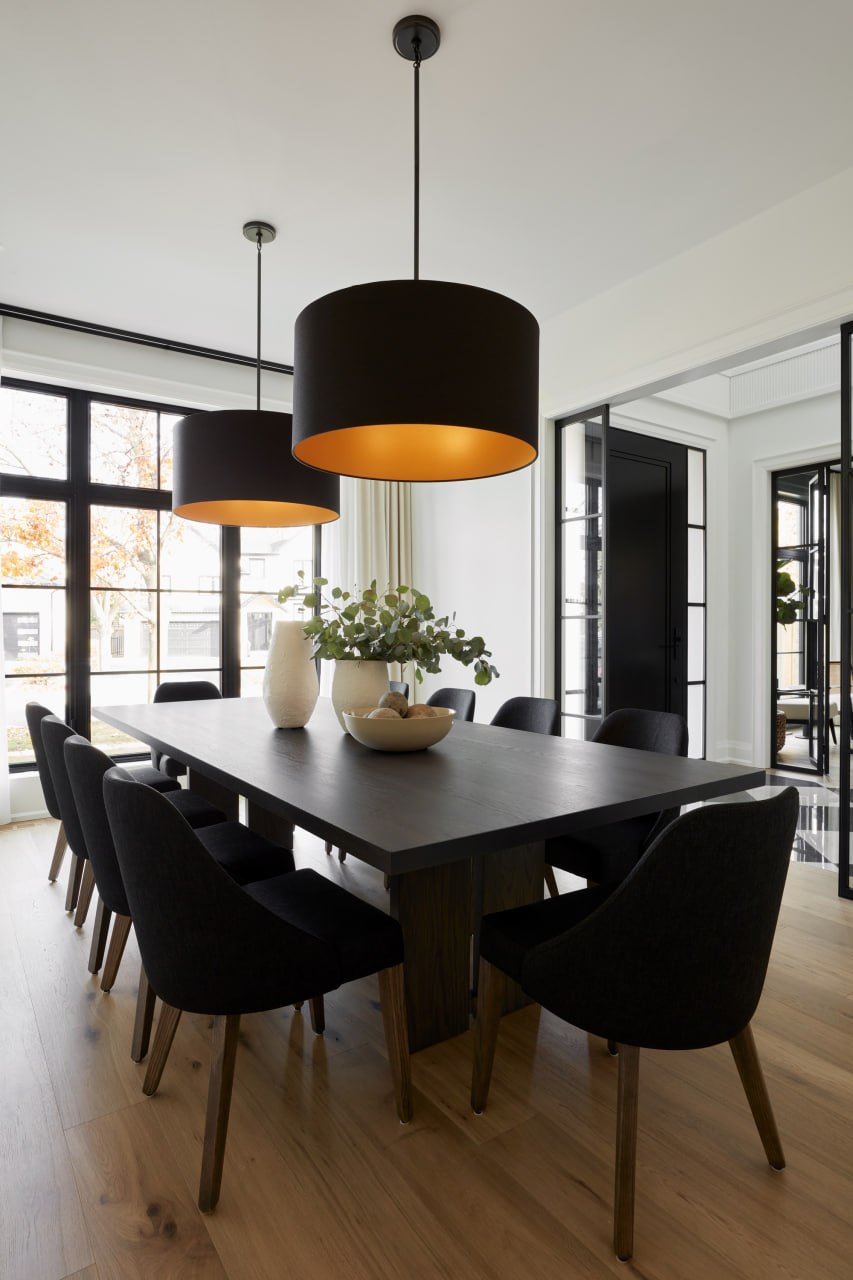
Production builders install lighting; custom builders design it. That means a layered plan — ambient, task, and accent lighting — worked out before a single wire is run. Recessed lighting placed on a deliberate grid, dimmable zones, under-cabinet and toe-kick lighting, statement fixtures sized correctly for the room, and lighting that highlights architecture and art rather than just filling a space.
Done right, you don’t notice the fixtures. You notice that every room feels good at every time of day.
-
The Details You Can’t See
The most important difference is the one that never shows up in photos: what’s behind the walls. Superior insulation and air sealing, upgraded HVAC sized and zoned for comfort, sound-dampening between floors and bedrooms, proper waterproofing and drainage, and structural work that’s engineered rather than minimized.
This is the part builder-grade cuts to hit a number — and it’s the part you live with every day, in quieter rooms, steadier temperatures, lower energy bills, and a home that still performs decades from now. A custom builder’s reputation rides on what you can’t see, so that’s exactly where we invest.
The Bottom Line
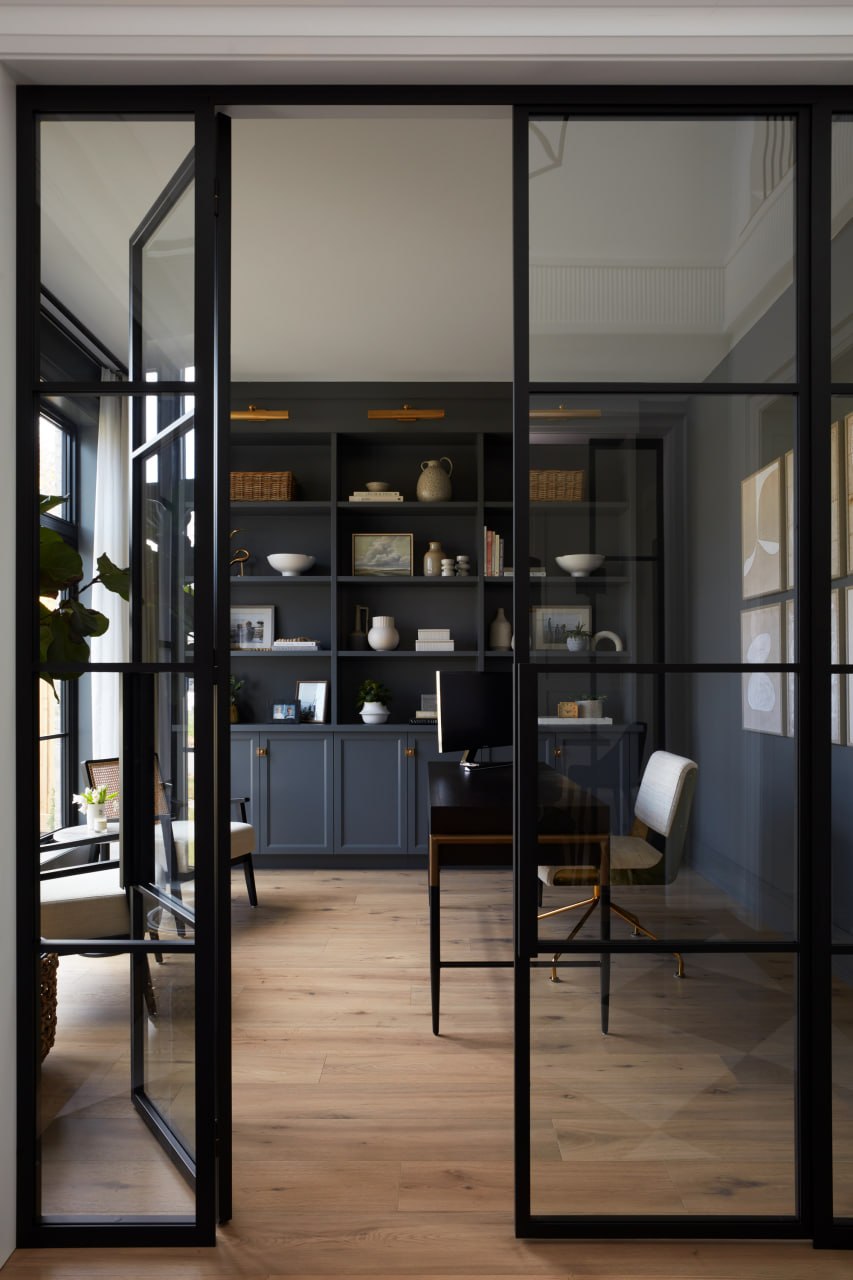
Builder-grade builds to a price. Custom builds to a person. Every one of these details is a decision someone made on your behalf — and in a custom home, that someone is you, working alongside a team whose job is to get it right.
If you’re considering a custom build or a tear-down-and-rebuild in Oakville, we’d love to walk you through what these details look like in one of our homes. Reach out to the Prasada Custom Homes team to start the conversation.